The History of Facebook: How It Started and Changed Social Media
Facebook started as a small university social network in 2004 and eventually became one of the most important communication platforms on the Internet. Its history involves Harvard students, international expansion, digital advertising, mobile apps, and the creation of Meta.
Who Created Facebook?
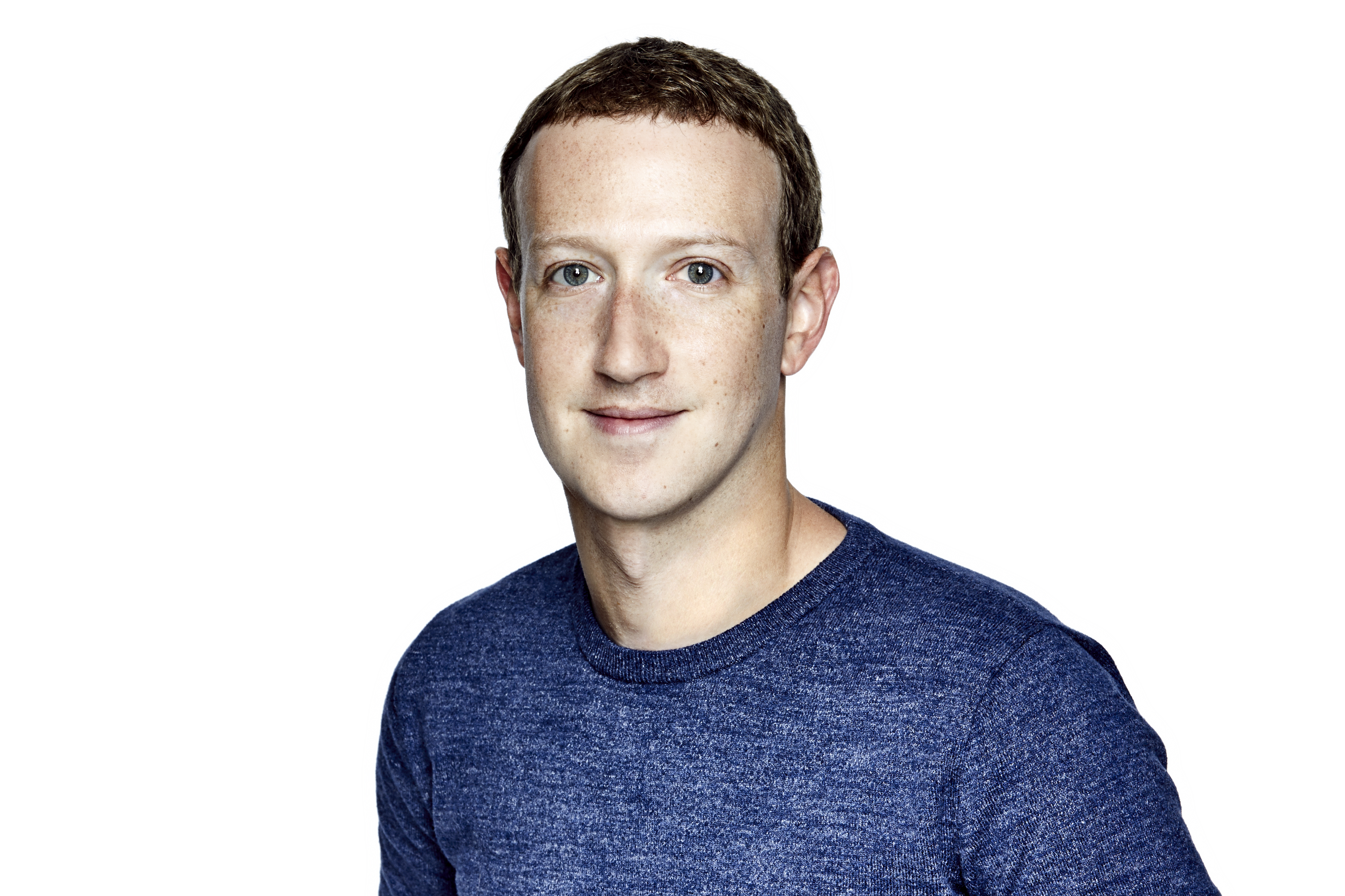
Mark Zuckerberg, founder and CEO of the company.
Facebook was launched on February 4, 2004. Meta identifies Mark Zuckerberg, Dustin Moskovitz, Chris Hughes, and Eduardo Saverin as Facebook's co-founders.
At the time, Zuckerberg was studying at Harvard University. The initial idea was to create a platform that would allow students to create profiles and connect with other people.
The Name TheFacebook

One of the versions of the logo used by Facebook.
The platform initially used the name TheFacebook. As the service grew, its domain name and brand underwent changes. In September 2005, the word "the" was officially dropped, and the service became known simply as Facebook.
Facebook Expands Beyond Harvard
Growth was rapid. In June 2004, the team moved to Palo Alto, California, a region that became important for the company's development.

Former Facebook office in Palo Alto.
The move allowed the team to work full-time on developing the platform. Facebook stopped being just a university project and began operating as a technology company.
Early Features
The platform quickly began receiving new features. Some of the earliest included personal profiles, a wall for posts, photos, and tools for finding and connecting with friends.
Personal pages for users.
A space for posting messages.
Photo sharing.
The Growth of the Social Network
By December 2004, Facebook already had more than 1 million active users. In 2006, the company opened registration to anyone who met the platform's requirements, moving beyond its mainly university-based audience.

Facebook headquarters in Menlo Park, California.
News Feed
In 2006, Facebook launched News Feed. The feature organized friends' posts and activities into a stream that could be continuously updated.
This change helped transform Facebook from a simple collection of profiles into a dynamic platform for communication and content distribution.
Facebook on Mobile
The expansion of smartphones once again changed how people used social networks. Facebook launched its mobile version in 2006 and later released apps for different platforms.

Entrance to the Facebook campus in Menlo Park.
Facebook and Advertising
As the platform grew, advertising became an important part of its business model. In 2007, Facebook launched Pages and a self-service advertising platform.
This created new opportunities for businesses, organizations, and creators to establish a presence on the social network.
Facebook Acquires Instagram
In April 2012, Facebook announced its acquisition of Instagram. The deal took place shortly before Facebook went public on the stock market.

The Meta corporate brand, created later by the company.
Instagram continued to operate as a standalone app but became part of the company's family of applications.
Facebook Goes Public
On May 18, 2012, Facebook held its initial public offering, known as an IPO. This event marked a new phase in the company's history.

Facebook during its Nasdaq debut.
WhatsApp and Messenger
The company's ecosystem continued to grow. Messenger became a standalone communication platform, while WhatsApp became part of the company's family of applications.
These services expanded the company's presence in messaging, communication, and connections between people.
From Facebook to Meta
On October 28, 2021, Mark Zuckerberg announced a new corporate brand: Meta. The change did not mean that the Facebook app would disappear. Facebook, Instagram, WhatsApp, and Messenger continued to be products within the new corporate structure.
Facebook remains a social network. Meta is the name of the company that brings together Facebook and other technologies and applications.
What Does Meta Develop?
Social networking and community platform.
Photos, videos, Stories, and social content.
Messaging, calls, and communication.
Communication and messaging.
Virtual reality technologies.
Research and development in artificial intelligence.
Facebook Timeline
Why Was Facebook Important?
Facebook helped popularize social networks on a global scale. The platform made it common to maintain a digital profile, share photos, publish messages, participate in groups, and follow other people's updates.
It also influenced digital advertising, business marketing, the creation of online communities, and the way content is distributed across the Internet.
Conclusion
Facebook's story began at Harvard in 2004 and quickly expanded beyond the boundaries of a university. The project grew, moved to California, gained new features, and became one of the largest social networks in the world.
Over the years, the company expanded into other areas, acquired important apps, and built a large family of products. In 2021, the company adopted the name Meta, while Facebook continued to operate as one of its main platforms.
🔗 Read Also
The History of Google Discover the history of one of the world's largest technology companies.The History of YouTube Discover the origins and evolution of the world's largest video platform.
📷 Image Credits
1 — Mark Zuckerberg: Official Meta image. Meta provides the image for articles about the company. Official Source
2 — Facebook Logo: Meta Platforms, Inc., Wikimedia Commons. Source and License
3 — Palo Alto Office: Steven Walling, Wikimedia Commons, CC BY 2.0. Source and License
4 — Menlo Park Headquarters: LPS.1, Wikimedia Commons, CC0. Source and License
5 — Headquarters Entrance: LPS.1, Wikimedia Commons, CC0. Source and License
6 — Facebook IPO: Wikimedia Commons, Facebook IPO category. Source
7 — Meta Logo: Meta Platforms, Wikimedia Commons. Source and License
📚 Information Sources
Meta — Company History: About Meta
Meta — History and Products: Meta Newsroom
Meta — Rebranding to Meta: Facebook Company Is Now Meta
Third-party images belong to their respective authors or copyright holders. JN Portfolio does not claim ownership of these images. Credits and links to the sources are provided in this section.