The History of YouTube: From Its Creation to the Google Era
YouTube has transformed the way people watch, publish, and share videos on the Internet. What started as a small startup in 2005 has become one of the largest video platforms in the world.
Who Created YouTube?

Chad Hurley, Steve Chen, and Jawed Karim, the founders of YouTube.
YouTube was created in 2005 by Chad Hurley, Steve Chen, and Jawed Karim, three former PayPal employees.
Their idea was to create a simple way for people to upload, watch, and share videos over the Internet. The YouTube.com domain was registered on February 14, 2005.
YouTube itself explains that its founders wanted to create a tool that would allow people to share videos with people around the world.
What Was YouTube Like in the Beginning?

The logo used by YouTube during its early years.
In the beginning, YouTube was a very simple platform. Its main idea was to allow anyone to publish a video and share it on the Internet.
The service quickly began attracting users because it made something that was still complicated at the time much easier: uploading videos online and sharing them with other people.
In November 2005, YouTube announced a $3.5 million investment from Sequoia Capital to accelerate the platform's development and growth.
The First YouTube Video

Image associated with the first video uploaded to YouTube.
On April 23, 2005, Jawed Karim uploaded "Me at the Zoo", the first video uploaded to YouTube. The video was filmed at the San Diego Zoo and lasts only a few seconds.
Although extremely simple, the video represents an important change in the history of the Internet: anyone could record something and publish it for a worldwide audience.
YouTube's Growth
Steve Chen and Chad Hurley during YouTube's early years.
The platform grew rapidly. YouTube allowed videos to be embedded on other websites and shared through links, making it easier for them to spread across the Web.
In December 2005, YouTube's own team was already reporting that increasing traffic was creating scalability and stability challenges for the company's infrastructure.
When Did Google Buy YouTube?
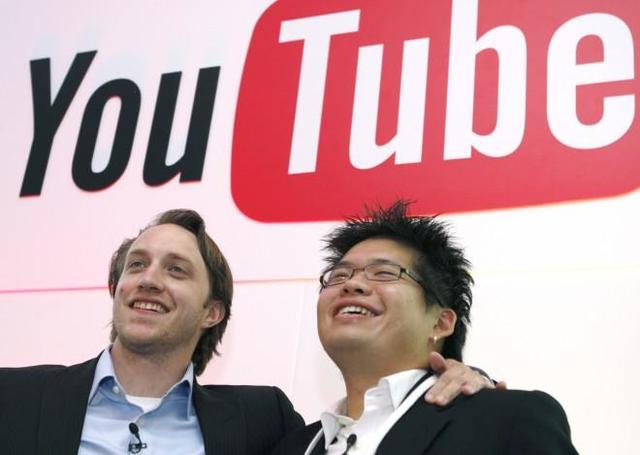
Chad Hurley and Steve Chen during the acquisition period.
In October 2006, Google announced an agreement to acquire YouTube for approximately $1.65 billion in Google stock. The acquisition marked one of the most significant moments in the platform's history.
The deal allowed YouTube to benefit from Google's infrastructure, technology, and resources while continuing to operate as an independent platform.
Chad Hurley remained YouTube's CEO after the acquisition. Later, the company's leadership passed to other executives, including Salar Kamangar and Susan Wojcicki.
Why Did Google Buy YouTube?
Online video was growing rapidly. Google already had experience with advertising, infrastructure, and Internet services, while YouTube had built a huge community of people creating and watching videos.
The combination of the two companies created an opportunity to expand the reach of online video and develop new tools for creators, viewers, and advertisers.
How Did Google Develop YouTube?

Visual identity used by YouTube after 2006.
After the acquisition, YouTube continued to evolve within the Google ecosystem. The platform introduced improvements to its infrastructure, video distribution, creator tools, advertising, and new ways to watch content.
Its scale also increased rapidly. In 2011, YouTube reported that more than 48 hours of video were being uploaded every minute.
YouTube and Content Creators
One of YouTube's biggest changes was allowing ordinary people to create their own channels and find an audience without relying exclusively on television or large media companies.
Anyone can publish content by following the platform's rules.
The ecosystem has created new opportunities for content creators.
Videos can reach viewers in different countries.
The Impact on the Internet
YouTube helped popularize online video and influenced areas such as entertainment, education, music, journalism, gaming, and communication.
New digital formats and professions also emerged. Creators began producing videos regularly and building communities directly on the platform.
YouTube Today

The YouTube logo.
Today, YouTube is a global video platform integrated into Google's ecosystem. The service features long-form videos, live streams, Shorts, music, educational content, and many other formats.
The platform also continues to invest in creator tools, artificial intelligence, content discovery, and new video experiences.
Timeline
Conclusion
YouTube's history began with a relatively simple idea: allowing people to share videos over the Internet.
The creation of Chad Hurley, Steve Chen, and Jawed Karim evolved rapidly, attracted investment, gained millions of users, and was eventually acquired by Google in 2006.
Since then, YouTube has grown alongside the Internet and helped create a new culture of video production and consumption. Today, the platform is used for entertainment, education, communication, music, news, and content creation.
🔗 Read Also
📷 Image Credits
Founders: Image compiled by Ianmacm, Wikimedia Commons. The image features Chad Hurley, Steve Chen, and Jawed Karim. View source
First Logo: YouTube image made available on Wikimedia Commons. View source
Me at the Zoo: Image taken from the first video, by Jawed Karim and Yakov Lapitsky. View source and license
Steve Chen and Chad Hurley: Image published by Business Insider. View source
Google Acquisition: Image used to illustrate the acquisition announcement. View source
2006–2011 Logo: YouTube, Wikimedia Commons. View source
YouTube Logo: YouTube/Google, Wikimedia Commons. View source
📚 Information Sources
YouTube Official Blog: YouTube Blog
Google: Google Blog
Wikimedia Commons: Wikimedia Commons
Third-party images belong to their respective authors or rights holders. JN Portfolio does not claim ownership of these images and provides credits and links to the original sources.